

The Challenge has been airing for over 25 years, but there are concerns about the show’s future. Fans complain about a lot (which is not new), but the numbers reflect these frustrations.
Where did these troubles start? Likely, with Double Agents, which was a successful season. It aired during a difficult time, but it seemed to renew interest in the show. Viewership went up, episode count went up, but drama went down.
In some ways, it feels like we’re still seeing lasting effects from Double Agents, even though it aired five years ago. It brought changes to the franchise (and probably the worst daily challenge ever), and some of them have remaining implications.
The start of the 19/90 seasons

War of the Worlds 2 was the first season with 90-minute episodes, a formatting decision that has remained on the flagship series, but that season was only 16 episodes. Double Agents added three more episodes for a total of 19, making it feel super bloated.
At the time, this was understandable. Double Agents was filmed during the pandemic, and that meant there were extra precautions and production time for quarantines. So, MTV likely wanted to maximize its return from the season. This made sense when Double Agents aired because lock downs were still in effect and episodes premiered during colder months.
Somehow, 19-episode seasons have stuck around since Double Agents. This has made some of the more recent seasons drag, and we have Double Agents to thank for this slow pace.
The dumb spy theme
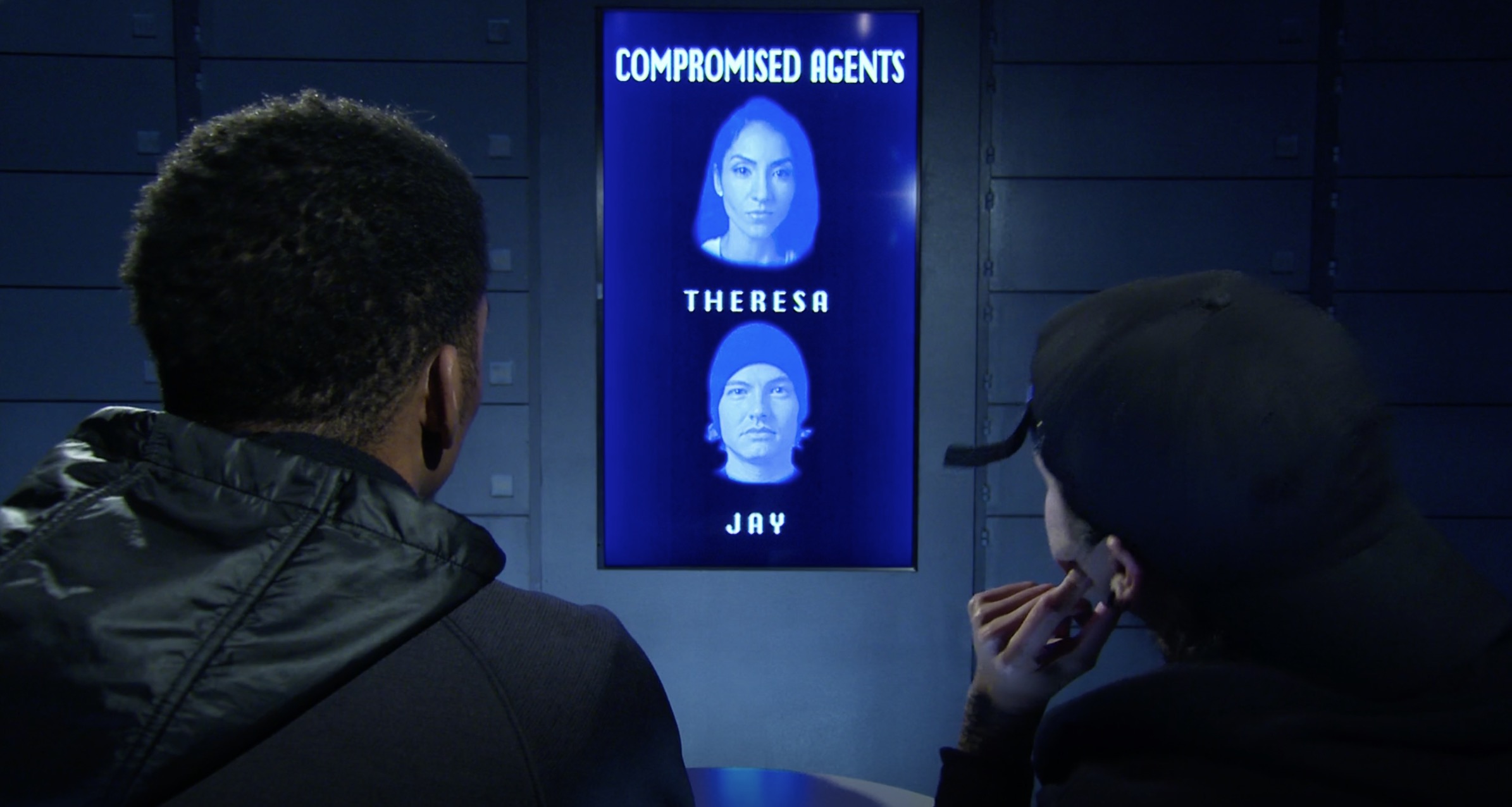
Double Agents aired during a period when MTV seemed to be obsessed with creating cinematic Challenge seasons. We saw a huge uptick in explosions and stunt cars on Total Madness, but Double Agents took it to a new level by revolving the whole format around a spy theme.
This is another element of Double Agents that can be attributed to the pandemic. The format of this season couldn’t be based on relationships (like Exes, Rivals, or Ride or Dies) because the pandemic meant people could drop out of the cast easily. So, production implemented a nonsense theme to make the season sound cool (even though it should have just been an individual season).
The spy theme carried over to Spies, Lies and Allies, but fortunately, it was just a temporary infatuation in Challenge history. After Spies, Lies and Allies, spy themes were retired. More recent seasons have adopted formats that are a little easier to understand; the spy formatting didn’t cause long-term damage.
The utterly random rookies

Era 4 brought an influx of rookies to The Challenge, and producers were grabbing people from all over the world. Eventually, it culminated in War of the Worlds 1 and 2, and it almost felt like production had been planning the British invasion all along. (I don’t think they were; I think they capitalized on the fact that people seemed to embrace some of the new international additions).
Then, Total Madness happened, and it appeared production was trying to keep rookies in the CBS/MTV ecosystem — but Double Agents ripped up the map. There was no conceivable direction with the season’s rookies, and we saw everyone from Olympians to WWE stars to failed singers.
This made it impossible to know all of the newbies before their debuts, and it only got worse with Spies, Lies and Allies. While other seasons cut back on the number of newbies, Vets & New Threats introduced another class of rookies that seemingly had no direction.
The loss of drama

The Challenge is no stranger to leaving drama in the editing room, but it seems like Double Agents was overly sensitive when it came to certain situations. There were rumors of story lines that were removed from the show, like an Amber M./ Mechie/ Liv love triangle, Lolo confronting the Big Brother Alliance, and an argument between Leroy and Faysal.
When seasons had 30-minute episodes, you can understand why producers needed to be selective. On a season like Double Agents, it’s a bit head-scratching. Perhaps they were trying to avoid another scandal after the Dee situation on Total Madness, or maybe they wanted to protect some of their favorite cast members. When producers choose to leave moments unaired, fans are going to write their own narratives.
Some of the episodes dragged on Double Agents, and the formatting didn’t help. Most of the drama we saw on the season boiled down to “Big Brother sucks” or Faysal thinking he’s the best player in the game. We didn’t get many juicy drama, and five years later, it’s hard to pinpoint moments that make Double Agents memorable.
The tired twists

After War of the Worlds 2, fans complained that so few of the finalists ever went into an elimination. So, Total Madness had a red skull twist. It’s easy to understand why production wanted to require people to go into eliminations, but the twist backfired. Cast members quickly used this format to shoehorn people into eliminations, and the red skull requirement made many of the nominations and tribunals harmonious ceremonies.
It’s perplexing that the twist returned as a “gold skull” on Double Agents, especially because it didn’t fit with a spy theme. A true spy would want to fly under the radar, skate to the final, and keep secrets. Double Agents also rewarded the winning team by letting them see the results of the secret vote, but after the first elimination, the cat was out of the bag — and this secret reward was a known fact.
We also can’t ignore some of the happy twists that benefited our eventual winner, CT. He got his gold skull due to a surprise double elimination, and he avoided the final Crater because it was a surprise perk for the final Rogue Agent. Production knows CT is a fan favorite, but he was in better shape on Double Agents than Total Madness. He should have been able to make the final without these suspiciously convenient twists that only impacted the men, but in retrospect, it’s hard to ignore the good fortune that took him to the final.
Did Double Agents ruin future Challenge seasons?
You can’t really fault Double Agents for “ruining” the Challenge, but it’s definitely a product of the time. The pandemic forced the show to take extra precautions, but MTV wanted to film a season in 2020 because the network was promoting The Challenge as “America’s Fifth Sport.”
Double Agents was a ratings success. Episodes averaged 891,000 viewers, which was really strong for MTV at the time. So, it felt like production tried to chase the success of the season by keeping the spy theme and the surge in random rookies. But Spies, Lies and Allies didn’t maintain the same numbers. Average viewership fell 29% to 631,000.
It didn’t seem that MTV was willing to acknowledge that the pandemic drove numbers up. War of the Worlds 2 is generally regarded as a strong season, but it only averaged 731,000 viewers per episode. Total Madness’ average climbed to 941,000 viewers, and obviously, it was because lock downs forced people indoors. This was a unique situation in the media landscape, and it’s hard to extract worthwhile data from the pandemic era.
The Challenge is a game that needs to strike a balance between innovation and structure, and Double Agents was lacking in those departments. But we forgave the shortcomings because it was a new season during a difficult production time. Once Spies, Lies and Allies rolled around, people weren’t willing to forgive. They wanted new formats, and production has made efforts to improve seasons. Formats like Ride or Dies and Battle of the Eras have a clear intent, so we’re seeing fewer lingering format impacts from Double Agents.
Still, the Challenge seems to be lacking in the drama department, and episodes often drag. Viewers will be receptive to 90-minute episodes, but they need to be worthwhile. Slow episodes usually kill a season, but Double Agents was a unique scenario where they did not. MTV needs to understand that people want gripping stories, and if the daily challenge doesn’t deliver that, the drama needs to capture viewers’ attention.
 Stop Being Polite