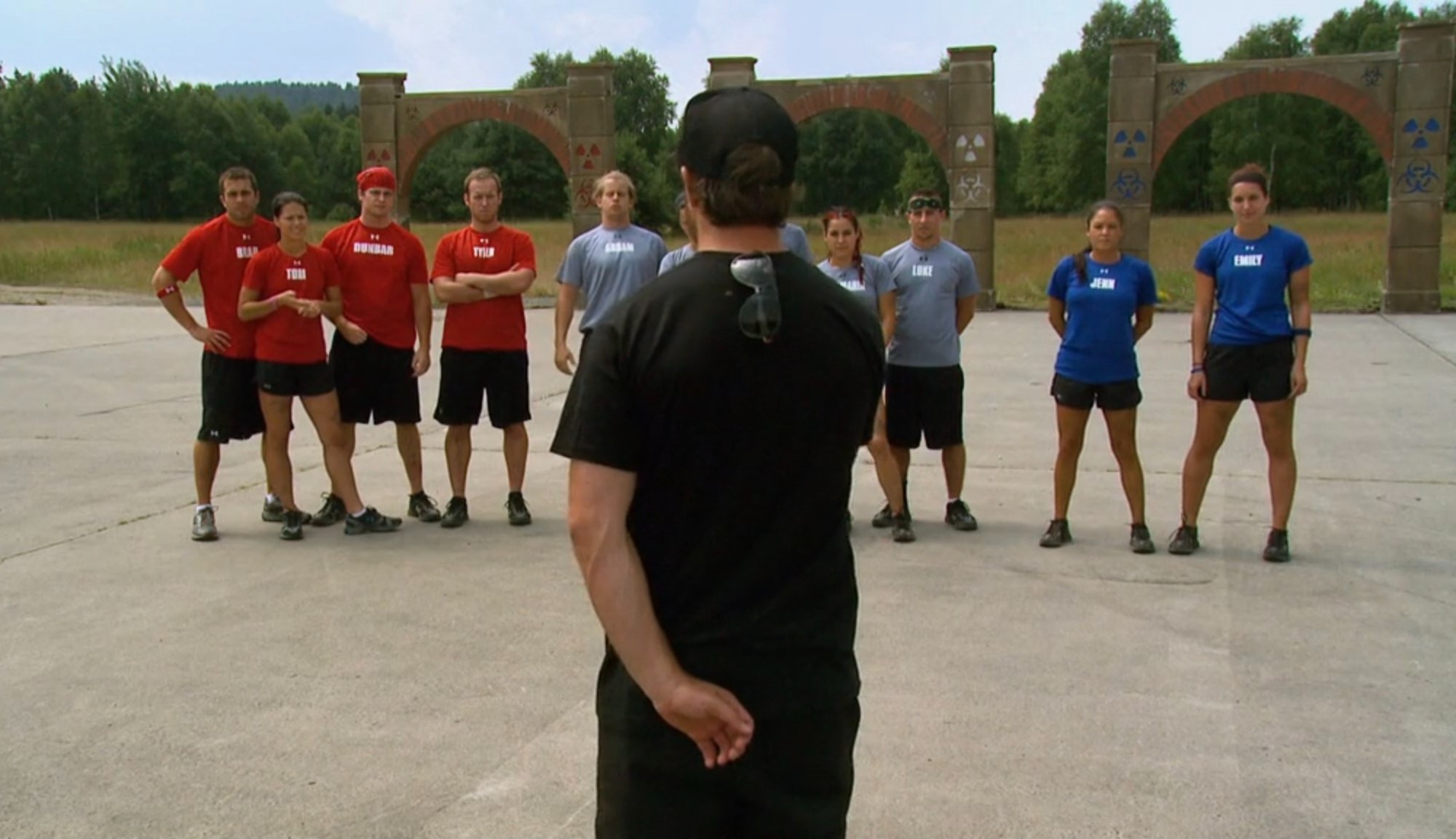

Cutthroat is making a comeback — 16 years after the original installment. The first Cutthroat is one of the most polarizing Challenge season, and it culminated in an equally divisive final.
Current has the most recent final without an overnight portion, but the course was nearly 13 miles. It may have been the most difficult one-day final, and it was clear from the start that one team was out of the running.
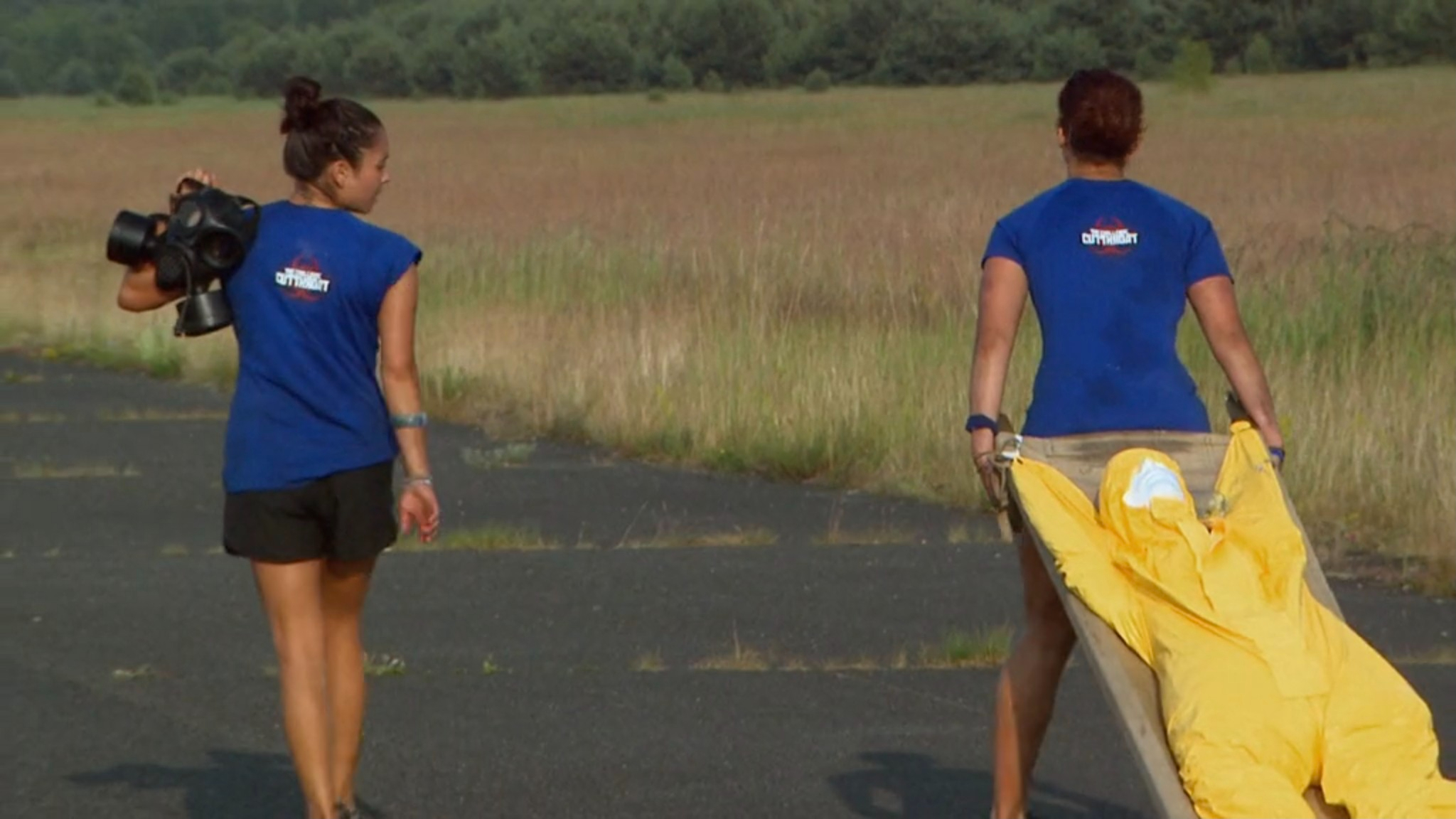
The Blue Team consisted of just two girls: Jenn and Emily. This wasn’t the first time we saw all the men eliminated from a team (the Ruins final had just two Challenger girls), but it was clear production didn’t expect the Blue Team to win. One of the “Czech Points,” “Free Ride,” required teams to carry someone on a stretcher. Because there were only two Blue competitors left, they needed to carry a dummy.
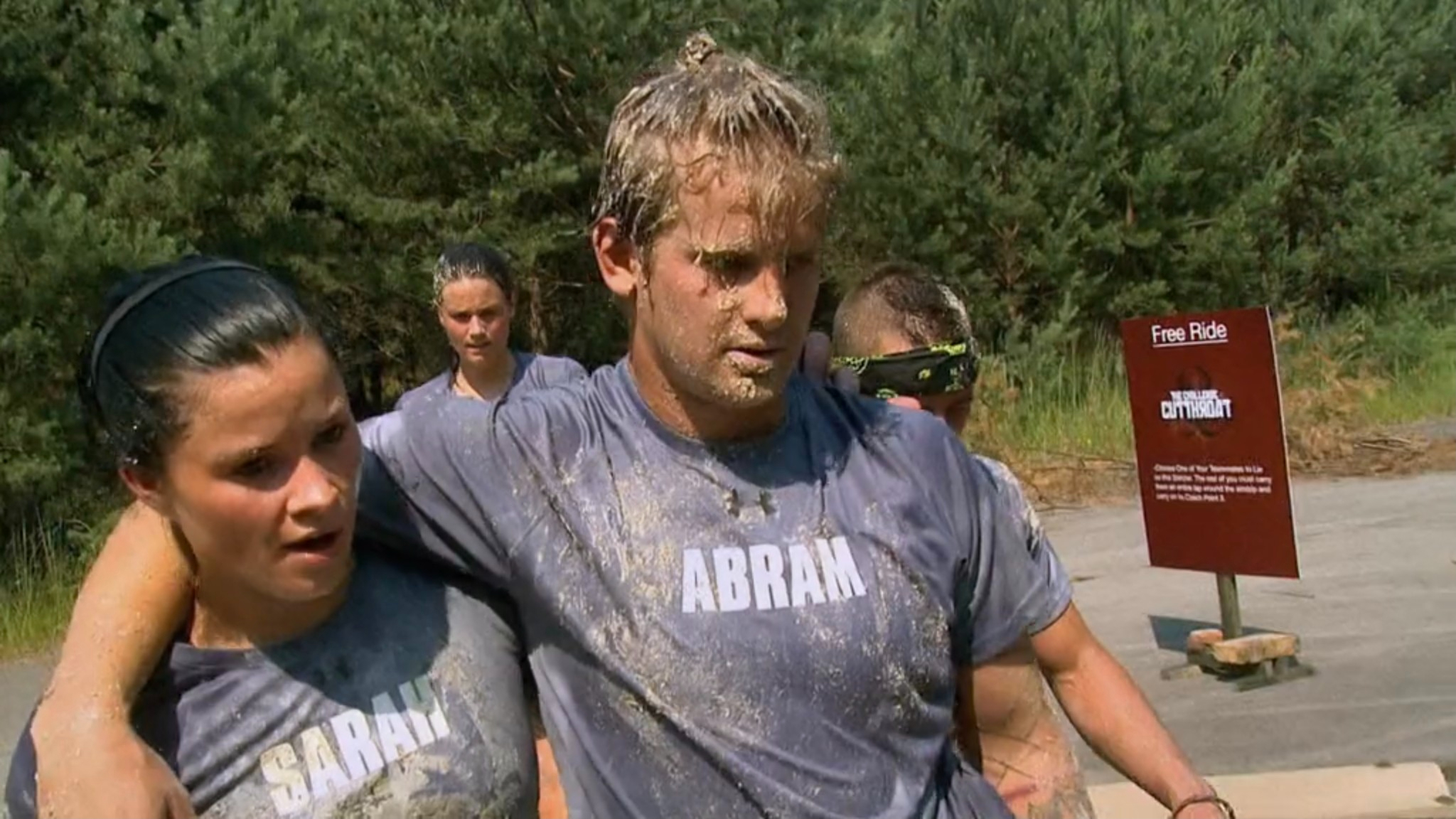
Unsurprisingly, the Blue Team lost, and the race was really between the Gray and Red teams. Fairly quickly, we see the Gray Team start to implode. Abe started feeling sick, and during the “Free Ride” stage, Abe was carried by his team. But he was so sick and delirious that medics evicted him from the race. Shortly after, Sarah suffered the same fate.
Rumor has it that the Red Team contaminated the water supply after the “Down & Dirty” Czech Point that covered them in sawdust. This was not intentional sabotage; they just wanted to get sawdust off their bodies, but it made it possible for other players to get dehydrated. However, Abe looked weak early in the race, and his lethargy was apparent before he got to this Czech Point.
So, about halfway through the race, it becomes fairly clear that the Red Team would be our victors — and they were. This was a bit of a twist because the Gray Team was the clear frontrunners coming into the final challenge, but it also seemed like a bit of karmic justice. The team was harsh on its weaker players, only to have some of the veterans struggle in the end.
While some people view this as karma, it’s not like the Red Team was any better. The veterans rallied together to keep each other safe, and they continuously voted Camila and Brandon into Gulags. The Blue Team was probably the fairest, but even they were a bit difficult on Eric (though he had a reputation from The Gauntlet 3).
The biggest probably with the Cutthroat final: It leaned into the Gulag theme way too much. This is not some cute little piece of European history; gulags were very traumatic.
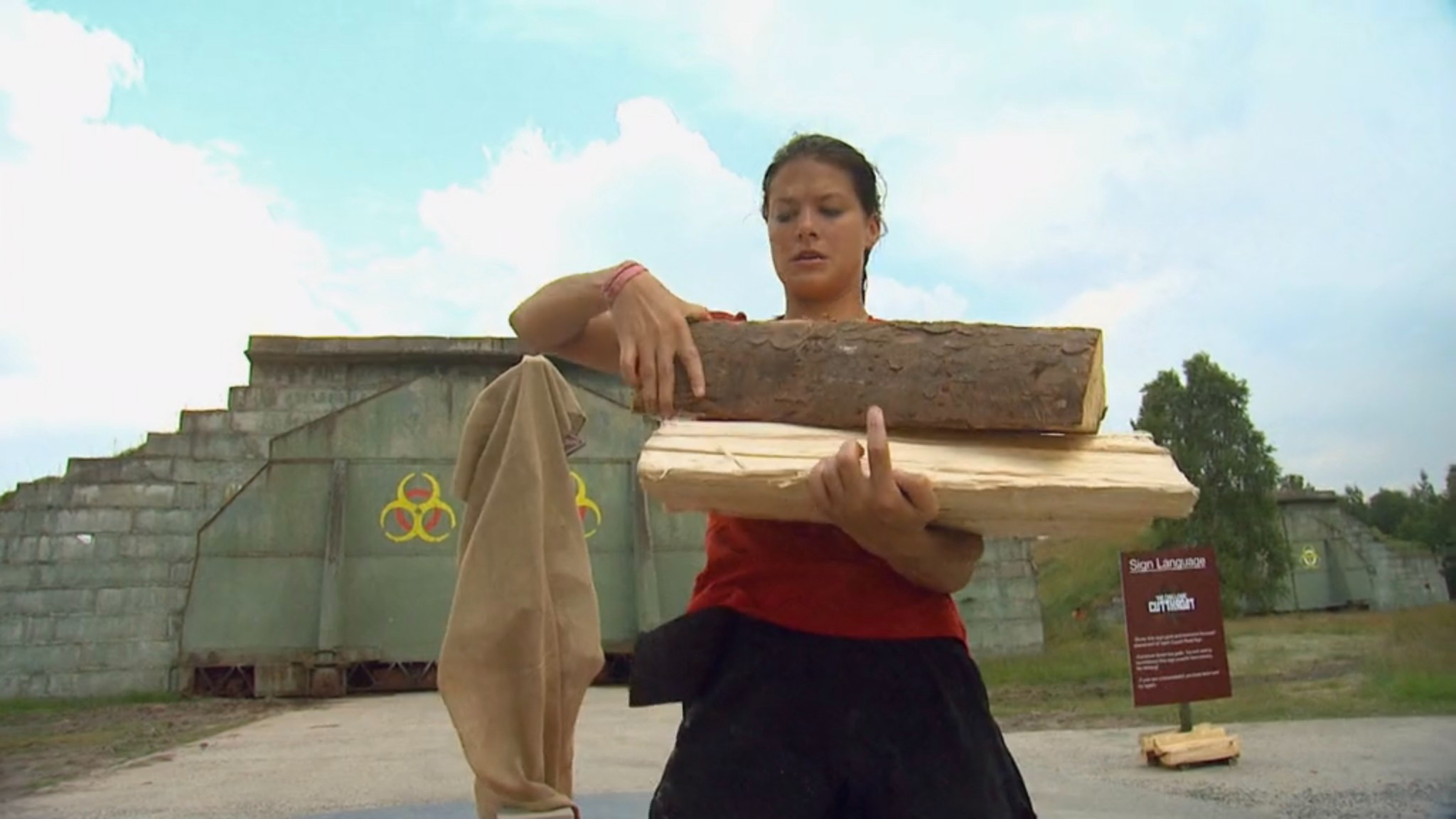
There are a few parts of the final that align with the gulag theme, but can be overlooked. For example, we see the teams transporting wood. In labor camps, prisoners often chopped wood for use, but that’s because it was a natural material found in the Czech Republic. For that reason, it’s easy and convenient for production to get piles of wood for weight-based checkpoints.
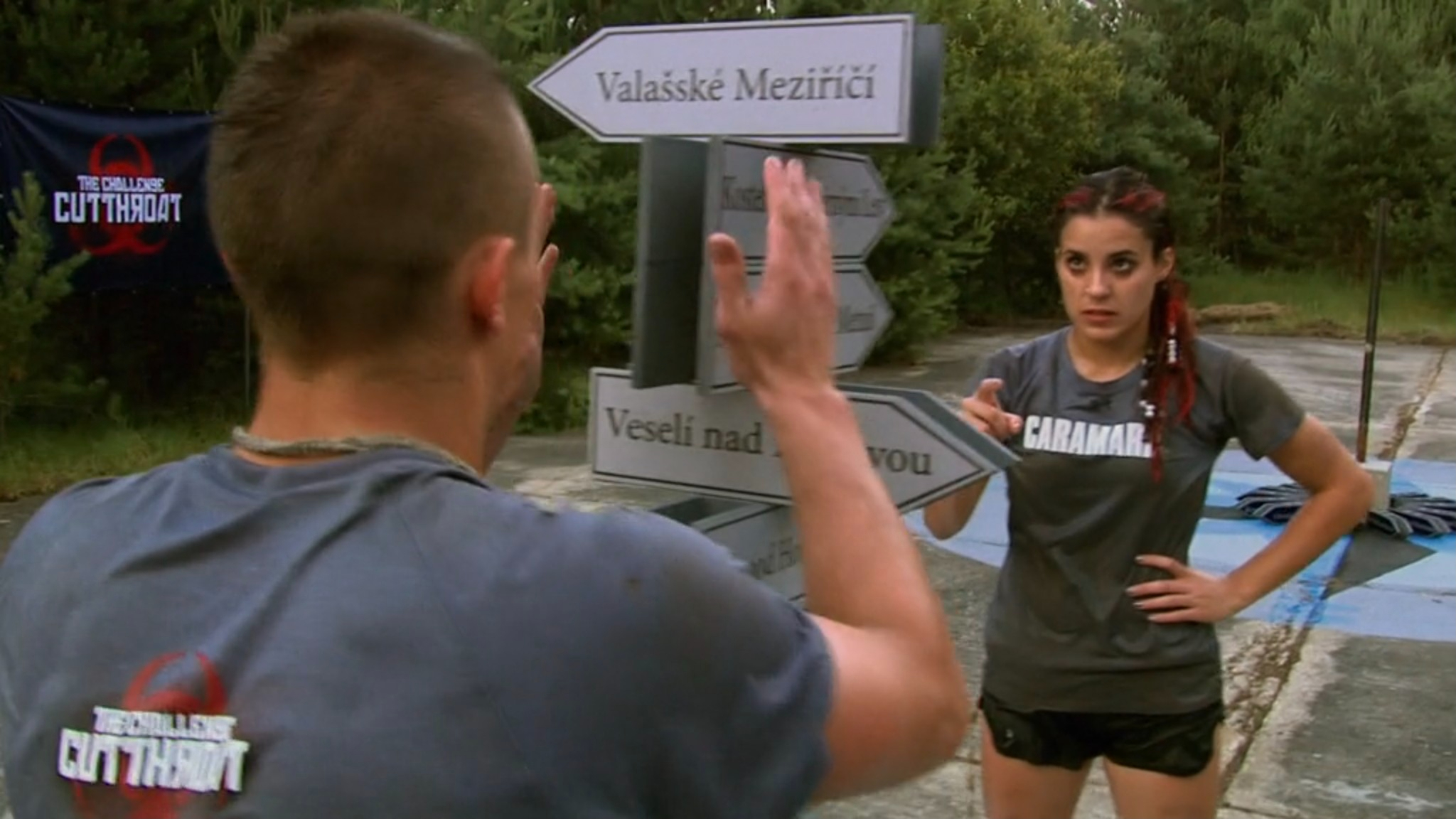
But we also see signs in Russian, which is not the most common language in the Czech Republic. However, Russian would have been spoken by the Soviet officers who were policing the labor camps.
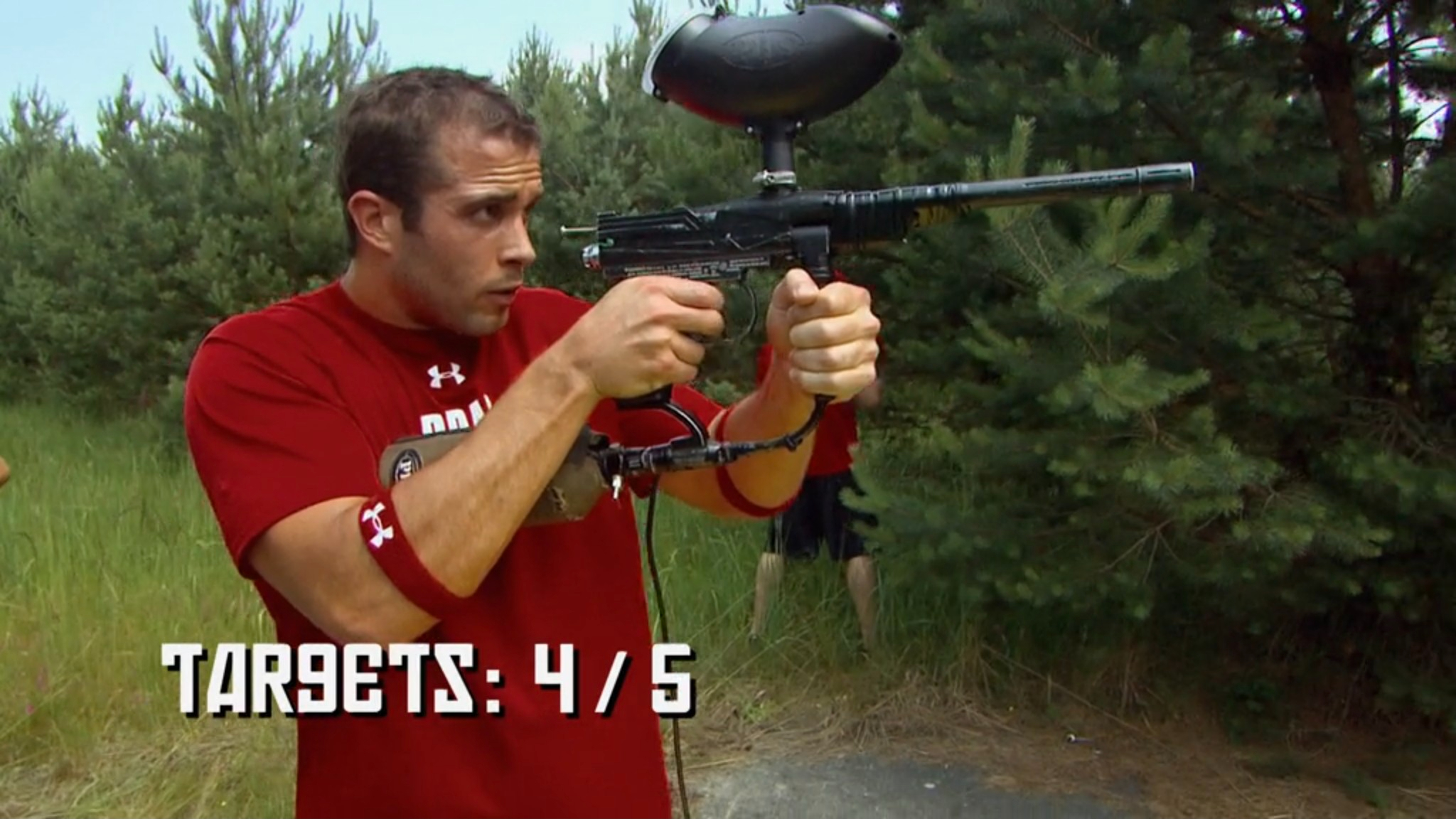
We also see Czech Points where competitors shoot paintballs at targets while teammates stand near them. This allows competitors to get shot, and many people in gulags were killed by firing squads. Later, we see teams carrying bodies on stretchers. This is a harrowing parallel when you compare Cutthroat to labor camps.
Most of these elements: moving wood, foreign language recognition, paint balls, and stretchers, have been used in other finals. But Cutthroat opened the season with a daily challenge in a gas chamber, and the season named its elimination arena the Gulag. The season was clearly taking inspiration from Czech labor camps when designing competitions.
I doubt we’ll see this type of historic context displayed on Cutthroat 2, as production probably wouldn’t want to touch such a controversial topic at this point. But it’s hard to rewatch Cutthroat and ignore the historical context that shaped the theme.

