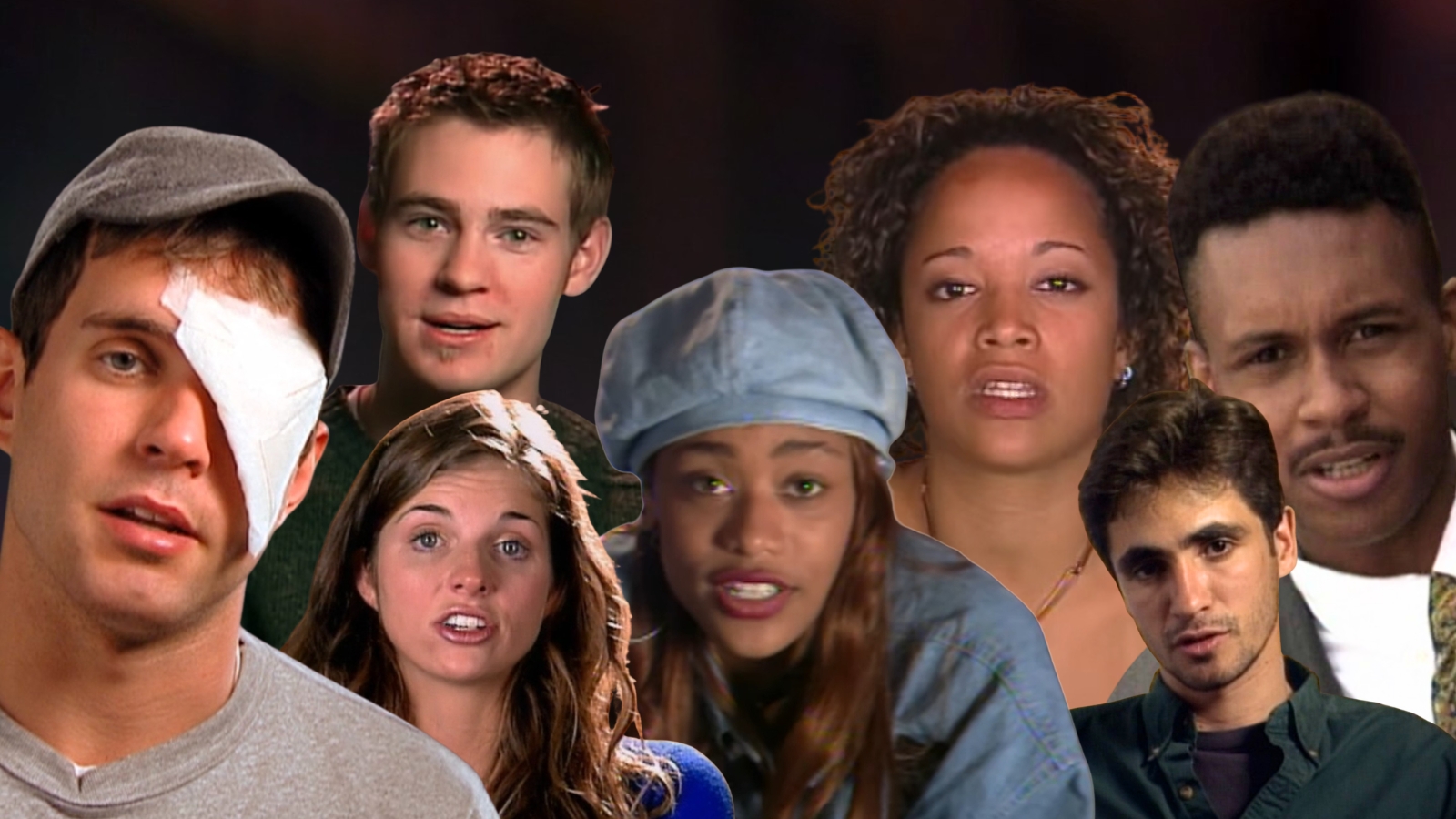

Last week, The Real World celebrated its 34th birthday. The groundbreaking series debuted on May 21, 1992, and helped reinvent MTV.
Of course, the network didn’t acknowledge this birthday — even if it did, who’s watching? But the show still has fans, and the people who grew up with the series remember it fondly. The franchise gave us 32 seasons on MTV, one US season on Facebook Watch, and a few international installments.
This is a lot of content, but a few moments really stand out. Not just because of their shock value and entertainment factor, but because they influenced the direction of the show. Naturally, the early seasons will be represented more here, but some of the later seasons also helped to shape the series.
Kevin & Julie Argue (New York)
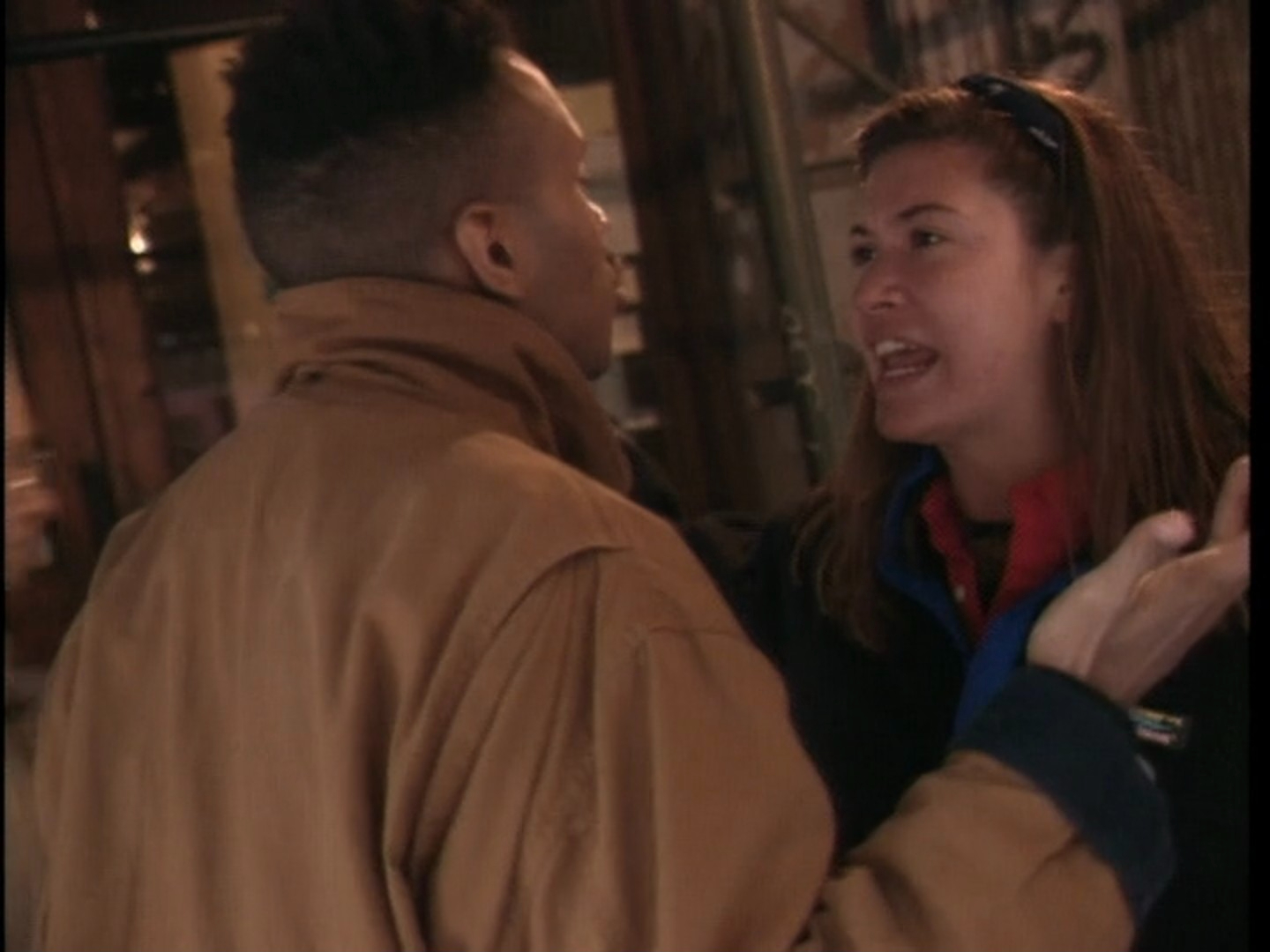
The first Real World season was groundbreaking for its concept alone, but it really hit its stride when it tackled social issues. As the US observed the 1992 Los Angeles riots, racial conversations were brought to the forefront. Kevin, a Black man and civil rights activist, discussed his views on racism and prejudice with his roommate. He credited Julie as more progressive than he initially assumed, but Julie struggled to understand parts of Kevin’s culture and communication style. This led to a heated discussion on the street, where Julie felt Kevin intruded on her personal space. While the tension was short-lived, and Julie acknowledged Kevin’s intelligence (both before and after the argument), the unfiltered tension captivated viewers.
How this changed the show: This really showcased the “stop being polite” aspect of The Real World and proved there was an audience for an unscripted soap opera. Originally, the Real World put seven people pursuing jobs in art and entertainment in a loft. This argument proved that the show didn’t need to be about people struggling to make it in the big city; roommate dynamics were enough.
David Pulls Off Tami’s Blanket (Los Angeles)

One night in LA, Tami Roman was lying in bed when she got a phone call. She was under the covers, only wearing underwear, and she was going to answer the phone wrapped in her comforter. This awkward situation turned into a scandal when David tried to remove the blanket, and Tami tried to keep herself covered with Beth’s help. At first, this seemed like a joke, and everyone was laughing, but it turned into a deeper conversation focused on respect and consent. David received a lot of backlash from his roommates, which eventually made him leave the show.
How this changed the show: This moment turned into a moral debate, and it wasn’t clear-cut to all viewers. It was discussed further on the Los Angeles Homecoming season, which proves that the most interesting moments live in the moral grey zone. Also, David left the season, and he calls himself the first person to be kicked off a reality TV show.
Pedro Give Puck an Ultimatum (San Francisco)

The Real World San Francisco had an ambitious goal of changing the stigma surrounding HIV and AIDS by casting Pedro, an openly gay man living with HIV. His advocacy and depiction had a greater impact on the real world than The Real World, but his efforts were overshadowed by the inclusion of Puck. The bad boy was cast to be a reality TV villain, and he succeeded in the role. Eventually, after repeated disrespect, including homophobic language, Pedro said he would be leaving the house if Puck remained. The roommates voted to kick Puck out, which allowed Pedro to stay.
How this changed the show: While we’ve seen more advocates on the show, no one quite reached the level of Pedro, who admitted he wanted to use The Real World as a platform. Rather, this incident showed the value of having a villain in the house. As much as Puck irritated people, we also saw a softer side under his tough exterior. Puck’s time on the Real World made him a legend in the reality TV world, and the villain archetype has become a staple of the franchise.
Stephen Slaps Irene (Seattle)

The Seattle season has a long-lasting legacy, but no moment is more infamous than the time Stephen slapped Irene as she departed from the show. Early into the season, Stephen and Irene got along well, to the point that Stephen told Irene he was gay (which was not shown on camera). By the time Irene decided to depart from the season, she seemed happy, which irked some of her roommates. In her final moments on the pier, she left gifts for her roommates. Her gift to Stephen was simply telling him a marriage with him wouldn’t work because he’s a homosexual. This deeply upset Stephen, who threw one of Irene’s stuffed animals in the water. But when that didn’t get under her skin, he ran to Irene’s car as it drove away, opened the door, and slapped her across the face.
How this changed the show: This moment was so shocking that producers showed the five remaining Seattle roommates (omitting Stephen) the footage of the incident. While they let Stephen stay in the house, they also required him to get anger management therapy. This gave power to the roommates rather than forcing production to make all the decisions.
Ruthie Drives Drunk (Hawaii)

The Hawaii season started as a party, but the fun and games ended when Ruthie couldn’t control her alcohol consumption. This led to issues with her roommates, but it got much more serious when she decided to drive a car while under the influence of alcohol. The dangerous decision unsettled the rest of the cast, and along with Ruthie’s sisters, they staged an intervention where she agreed to receive treatment for alcohol abuse.
How this changed the show: It’s hard to ignore that producers filmed Ruthie driving while intoxicated, which set a precedent that the crew wouldn’t intervene in illegal activities. It also allowed the cast to seek treatment for ongoing issues, which was repeated during the Hollywood season.
Danny’s Blurry-Faced Boyfriend (New Orleans)

By the time the New Orleans season was filming, gay roommates were expected on The Real World. But this season was filmed in early 2000s, and Danny came onto the show with a boyfriend, Paul. The problem: Paul was in the military during the Don’t Ask, Don’t Tell era. This meant Paul’s face would always be blurred out, and his true identity needed to be concealed. The couple made multiple appearances throughout the season, and even while Danny went public with his relationship, critical aspects needed to remain secretive.
How this changed the show: In the early 2000s, MTV was becoming a more party-focused channel. The New Orleans season was filmed during Mardi Gras, but that was just a small portion of the season. Danny and Paul’s relationship broke boundaries, which renewed the Real World’s effort to showcase social issues.
The Roommate Live Through 9/11 (Chicago)

The Real World films months before the first episode airs, and generally, producers don’t really acknowledge the show’s true timeline. The Chicago season shattered the fourth wall when the world woke up to an attack on the Twin Towers on September 11, 2001. The episode aired in May 2002, about eight months after the attacks, and viewers were transported back in time. We saw real, unfiltered reactions to the historic event, and the cast was visibly shaken. Later, we saw the community aspect. The roommates’ neighbors grieved with them, which was a significant sign of camaraderie; Chicago locals protested being used as a Real World filming location.
How this changed the show: History happens, and it’s certainly not going to stop for The Real World. When a major event occurs, the show needs to break its fishbowl illusion and acknowledge it’s a filmed show. This is necessary to make the show relatable; we saw a similar episode on the Paris season when the cast reacted to President Bush’s announcement of an impending war in Iraq.
The Hot Tub Threesome (Las Vegas)

Calling the Las Vegas season a cultural phenomenon might be an understatement. The Real World has always appealed to voyeuristic interests, but this season made that element super spicy. What happened in Vegas didn’t stay in Vegas, and we saw Steven and Trishelle make out in the hot tub while Brynn was kind of involved. If we’re being honest, this moment is fairly tame by today’s standards, but in 2002, this was must-see TV and a reinvention for The Real World.
How this changed the show: The Las Vegas season was a big shift for The Real World, and it ushered in a party-focused era for the series. The incident was also part of a love triangle, as Brynn would eventually feel jealous of Steven and Trishelle’s relationship. Eventually, producers would fall in love with this type of story, and later seasons would focus on this dynamic — just look at Alex, Jenn, and Colie at the start of Denver.
Danny’s Mom Dies (Austin)

The Real World has always cast people with complex family relationships, and Danny was no exception. He was rebuilding his relationship with his mother until he got a tragic call from his father revealing that his mother died. Danny already had a rough start to the season; he was punched in the face on the first episode and needed to get eye surgery. But this was a wound surgery couldn’t fix, and viewers felt immense sympathy for Danny. It also jeopardized his budding relationship with Melinda, and Danny almost didn’t return to The Real World after his mother’s funeral, but he eventually came back to Austin.
How this changed the show: This moment got significant coverage from media outlets, and you had to be a reality TV fan in 2005 to understand its significance. Shows like American Idol were fueled by sob stories, but this allowed The Real World to cover a sad but relatable story like never before. It also helped to build his relationship with Melinda, and after The Newlyweds, MTV was obsessed with power couples. The Real World: Austin showed how the franchise fit into the reality TV landscape of the mid-00s.
Dustin’s Online Past, Revealed (Las Vegas 2011)

The Real World had a bit of a resurgence at the start of the 2010s, thanks to the New Orleans and Las Vegas seasons. Perhaps the most notable moment was when Heather’s budding relationship with Dustin was rattled when she confirmed rumors: Dustin appeared in same-sex adult content for a website. This was a shock to many of the cast members, and Dustin confessed to his past. He also said he didn’t regret getting involved with the website, but he hoped he would have been able to hide his past from his roommates.
How this changed the show: The Real World debuted in a time when the internet didn’t really exist; by the middle of the show’s life, the internet was a part of American culture. When Dustin made adult content, we didn’t know how the web would preserve media, but by the time he was on The Real World, we learned that the internet never forgets. As The Real World (and other reality shows) progressed, we saw how a digital footprint has lasting impacts on someone’s reputation.
BONUS: The Exes Arrive (Ex-Plosion)

The Real World had lost its luster by the time it was approaching season 30, so it tried to change the formula. On season 29, the return to San Francisco, five of the roommates were surprised when their exes moved into the house. This led to an abundance of drama and interesting dynamics that we hadn’t seen on the show before.
How this changed the show: This was the beginning of the end, but it was successful. People actually watch The Real World Ex-Plosion, and the boost in ratings continued onto the Skeletons season. But there are only so many twists you can implement, and after a few seasons, The Real World’s formula was ruined. No one cared about the Bad Blood format, and the show ended.

